
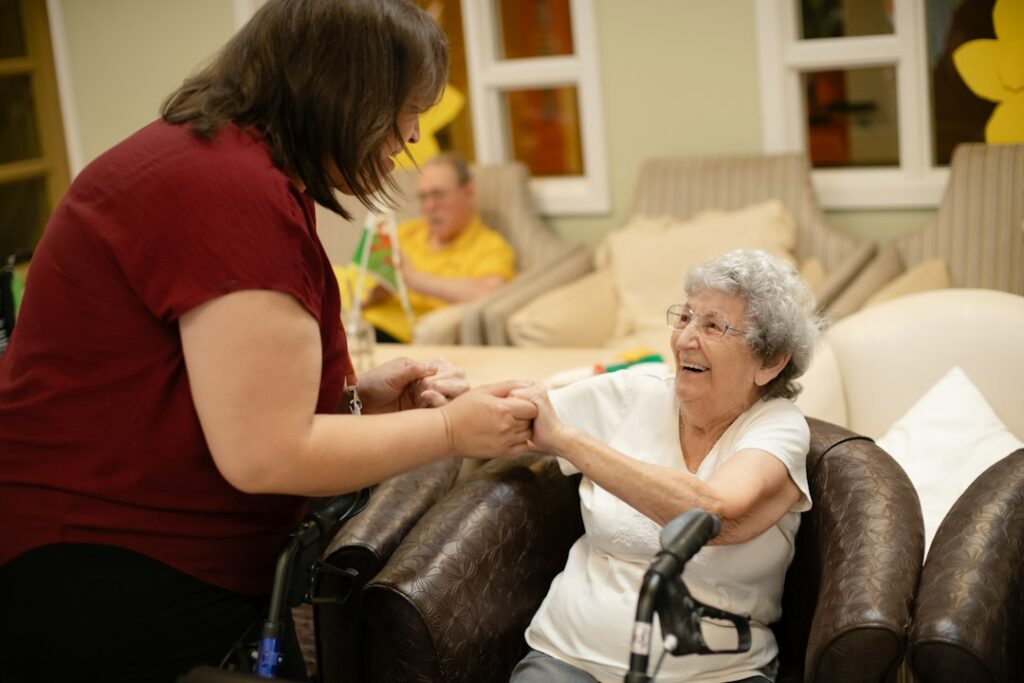
Caregiver guilt is the painful feeling that you are not doing enough for a parent, spouse, relative, or friend who needs help. It can appear even when you are providing substantial support. In King of Prussia, PA, many families are balancing caregiving with employment, commuting, parenting, household responsibilities, and long-distance family concerns.
Guilt is common, but it is not always an accurate measure of how well you are caring for someone. Learning to separate reasonable responsibility from unrealistic expectations can protect both the caregiver and the person receiving care.
Why does caregiver guilt happen?
Caregiver guilt often develops because family members believe they should be able to manage everything themselves. They may compare their efforts with an imagined standard of perfect care or feel responsible for circumstances they cannot control.
Common causes include:
- Feeling guilty for needing rest, privacy, or time away
- Worrying that a loved one will interpret outside help as abandonment
- Regretting past arguments, missed appointments, or delayed decisions
- Comparing current care with promises made years earlier
- Feeling relief when another person takes over a difficult task
- Believing that moving to assisted living or another care setting means giving up
Guilt may also come from conflicting emotions. A caregiver can feel love, frustration, sadness, resentment, relief, and gratitude during the same week. These feelings do not cancel one another out, and experiencing frustration does not mean a person is uncaring.
Is caregiver guilt normal, or does it signal a problem?
Some guilt is a normal emotional response to a major change in family roles. Persistent or overwhelming guilt deserves attention, especially when it affects sleep, appetite, work, relationships, or physical health.
A useful question is: “Did I do something that needs repair, or am I blaming myself for having normal limits?”
Guilt may be connected to a specific action, such as speaking harshly or forgetting an important task. In that situation, an apology, correction, or new reminder system may help. Guilt becomes less useful when it is based on impossible expectations, such as being available every hour, preventing every fall, or eliminating all of a loved one’s distress.
Warning signs that emotional support may be needed include:
- Frequent crying, panic, anger, or hopelessness
- Feeling trapped or unable to leave the house
- Ongoing sleep disruption or exhaustion
- Increasing use of alcohol or medication to cope
- Thoughts of self-harm or believing others would be better off without you
Immediate safety concerns, including thoughts of suicide or harm to another person, require urgent help through emergency services or a crisis resource.
How can caregivers challenge unrealistic expectations?
Start by defining what “good care” actually means. Good care does not require constant personal involvement. It means helping maintain safety, dignity, health, and meaningful connection within the limits of the situation.
Write down the responsibilities currently being handled. Include medical coordination, transportation, meals, household tasks, financial paperwork, medication reminders, emotional support, and communication with relatives. This often reveals that the caregiver is doing more than they recognize.
Next, divide responsibilities into three categories:
- Tasks that must be completed by the caregiver
- Tasks that can be shared or delegated
- Tasks that can be simplified, postponed, or stopped
For example, a family member may need to remain involved in major decisions but may not need to personally provide every meal, drive every trip, or manage every household chore.
Replace absolute statements such as “I should do everything” with specific statements such as “I will help with medication organization twice a week and stay informed about changes in health.” Specific commitments are easier to fulfill and evaluate.
What should a caregiver do when accepting help feels wrong?
Accepting help does not erase family responsibility. It changes how responsibility is carried.
A relative may continue to provide emotional support, attend care planning meetings, organize personal belongings, or visit regularly while other people assist with daily routines. This can create more time for conversation and reduce the tension that develops when every interaction centers on chores or supervision.
It may help to view assistance as a safety measure rather than a personal failure. If a caregiver is exhausted, distracted, or physically unable to complete a task safely, continuing without support may increase risk for everyone.
Family members should discuss help in concrete terms. Instead of saying, “I need more support,” identify a specific need:
- Two uninterrupted hours each week
- Transportation for a recurring appointment
- Someone else managing grocery shopping
- A shared calendar for medication and care updates
- A regular check-in from another relative
Clear requests are easier for others to understand and answer.
How can families talk about assisted living without increasing guilt?

Assisted living decisions can bring grief and uncertainty, but they should not be framed as a moral test. The central questions are whether the person’s needs can be met safely, whether the current home arrangement remains workable, and what setting supports dignity and quality of life.
A move does not necessarily reduce family involvement. It may shift family participation from hands-on supervision to visits, advocacy, decision-making, and companionship.
Before making a decision, discuss:
- Which daily activities are becoming difficult
- Whether falls, medication errors, wandering, or isolation are concerns
- How much overnight help is needed
- Whether the home can be modified safely
- What the person wants and fears
- Which responsibilities family members can realistically maintain
For households in King of Prussia, seasonal conditions may also affect planning. Winter cold, snow, ice, and shorter daylight hours can make driving, walking, errands, and home maintenance more challenging. These factors do not determine the right care choice, but they may expose weaknesses in an arrangement that works during milder weather.
What can help with guilt after a difficult caregiving moment?
A difficult moment does not define the entire caregiving relationship. Begin by identifying what happened without exaggerating it. If a caregiver lost patience, acknowledge the impact, apologize without excuses, and consider what would reduce the chance of repetition.
A short repair might sound like: “I was frustrated and spoke sharply. That was not fair to you. Next time, I will take a break before we continue.”
Then look for the underlying trigger. Common triggers include hunger, fatigue, repeated questions, pain, rushed schedules, noise, or feeling unsupported. Addressing the trigger is often more effective than simply promising to “try harder.”
If anger is rising, create distance when safety allows. Put down the task, move to another room, breathe slowly, and ask another person to take over. A pause is a responsible action, not abandonment.
How can caregivers protect their own health without feeling selfish?
Caregiver health is part of the care plan. Regular sleep, meals, medical appointments, movement, and social contact help a person remain patient and attentive. These needs should be treated as maintenance, not rewards earned after every task is complete.
Small routines are often more realistic than major lifestyle changes:
- Keep a water bottle and simple food available
- Set one regular time each week that is protected from caregiving tasks
- Use written instructions to reduce mental overload
- Ask relatives to share updates through one organized system
- Keep personal medical appointments instead of repeatedly postponing them
- Take short outdoor breaks when weather and safety permit
A caregiver does not need permission to have a life beyond caregiving. Maintaining friendships, work, faith, hobbies, or quiet time can support a healthier relationship with the person receiving care.
What is the difference between responsibility and guilt?
Responsibility asks, “What action is needed now?” Guilt often asks, “What is wrong with me?”
That distinction can guide the next step. If a task was missed, correct it. If communication broke down, repair it. If the care arrangement is unsafe, reassess it. If the feeling comes from needing rest or setting a reasonable boundary, self-punishment is unlikely to solve anything.
Caregiving is a changing role, not a test that can be passed perfectly. A sustainable plan allows care to be shared, adjusted, and reviewed as needs change. Recognizing personal limits is not a rejection of a loved one; it is part of making responsible decisions over time.
