
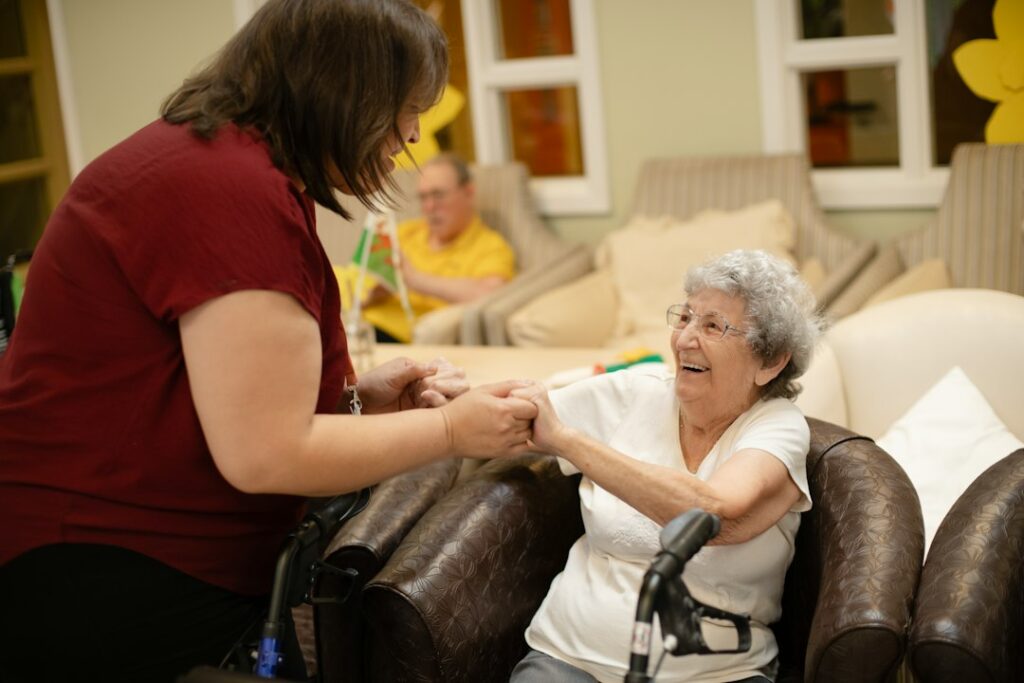
Moving to assisted living can solve practical problems, but the transition may also bring emotional, social, and daily-life challenges. Residents and families often need time to adjust to a new routine, shared living environment, unfamiliar caregivers, and the loss of some household responsibilities.
Understanding these difficulties in advance can make the move feel more manageable and help families respond with patience rather than assuming something is wrong.
Why can the move feel emotionally difficult?
The move may represent a major life change, even when assisted living is the safest or most practical choice. A resident may feel sadness about leaving a longtime home, frustration about needing help, or anxiety about living among people who are not yet familiar.
These reactions are common and do not necessarily mean the move was a mistake. Grief can occur even when the new setting offers better support.
A resident may also worry about:
- Losing privacy or independence
- Being treated differently by family members
- Forgetting important belongings or memories
- Having less control over meals, schedules, or visitors
- Not fitting into the community
- Becoming more dependent on others
Family members can help by acknowledging these concerns instead of immediately trying to correct them. Statements such as “This is a big change” or “It makes sense that you miss your home” may be more helpful than insisting that everything will be better right away.
How long does it take to adjust?
There is no single adjustment period. Some residents become comfortable within a few weeks, while others need several months. Adjustment may be slower after a hospitalization, a fall, a spouse’s death, or a sudden change in health.
Early discomfort can show up as:
- Irritability or withdrawal
- Changes in sleep or appetite
- Repeated requests to return home
- Refusal to join activities
- Confusion about schedules or room location
- Increased worry during evenings or overnight hours
These signs deserve attention, but they should not automatically be labeled as stubbornness. Pain, medication effects, hearing loss, depression, dehydration, infection, or sleep disruption can also affect behavior. A sudden or severe change should be discussed promptly with the resident’s healthcare team.
What happens to independence in assisted living?
Assisted living is designed to provide support while allowing residents to maintain as much independence as possible. The challenge is that independence may look different after the move.
A resident might no longer manage every household task, but may still choose clothing, decide how to spend the afternoon, arrange personal belongings, or participate in meal and activity decisions. Preserving these choices can support confidence and reduce resistance.
Families sometimes take over too much during the transition. Organizing every drawer, answering every question, or speaking for the resident may unintentionally make the person feel powerless. Unless safety requires otherwise, it is usually better to offer choices and allow extra time for decisions.
Useful questions include:
- Would you like to attend this activity or have a quiet afternoon?
- Which items should stay on the dresser?
- Would you prefer to eat now or at the next meal period?
- Do you want help with this task, or would you like to try first?
Why can shared living be stressful?
Many people have spent decades controlling their own environment. Assisted living introduces shared dining areas, common spaces, scheduled services, and neighbors with different habits. Noise, unfamiliar voices, hallway activity, and changes in room temperature may be tiring.
Privacy can also feel limited, especially if a resident is accustomed to a private house or apartment. Setting clear boundaries may help. A resident may need quiet time after meals, a closed door during rest, or advance notice before visitors enter the room.
Personalizing the room can make the space feel more familiar. Helpful items may include:
- A favorite chair or lamp
- Family photographs
- A familiar blanket or clock
- Clearly labeled drawers
- A small collection of books, music, or hobbies
- Seasonal clothing that is easy to identify
In King of Prussia, seasonal changes can affect comfort and routines. Cold weather, shorter winter daylight, summer heat, and rain can limit outdoor time, so indoor options and suitable clothing deserve attention throughout the year.
How can residents build new social connections?
Social adjustment is often harder than families expect. A resident may not immediately connect with neighbors or may feel uncomfortable entering a group where everyone else appears familiar.
Participation usually improves when activities match the resident’s interests, energy level, and abilities. A person who dislikes large gatherings may prefer a smaller conversation, a card game, music, gardening, or a quiet shared activity.
Family members can support social adjustment by:
- Visiting at consistent times
- Joining the resident for a meal or activity
- Introducing one or two people at a time
- Avoiding pressure to attend every event
- Asking about specific activities rather than simply asking, “Did you have fun?”
- Noticing which times of day seem most comfortable

A resident does not need a large social circle to be doing well. One familiar neighbor, staff member, or regular activity may provide enough connection during the early weeks.
What practical problems commonly arise after the move?
Small logistical problems can create disproportionate stress. Clothing may be misplaced, eyeglasses may be difficult to find, or a resident may not understand how to request assistance. These issues are especially frustrating when the person is already adjusting emotionally.
A simple written routine can help. It might show:
- Typical wake-up and bedtime preferences
- Medication times, if appropriate to share
- Preferred foods and dislikes
- Important communication needs
- Names of family members and emergency contacts
- Mobility, hearing, vision, or memory concerns
- Calming strategies during periods of distress
Labeling clothing and personal items can reduce confusion. Comfortable shoes, properly fitted mobility equipment, and easy-to-use clothing may also support safety and independence.
Families should keep communication organized. If several relatives are involved, disagreements or repeated questions can overwhelm the resident and staff. A shared update system can reduce duplication and make it easier to notice meaningful changes.
How should families handle resistance to care?
Resistance often reflects fear, embarrassment, discomfort, or a desire for control. Arguing may increase tension, especially if the resident has memory impairment or does not understand the reason for a task.
A calmer approach may include:
- Explaining one step at a time
- Offering limited choices
- Using familiar routines
- Allowing extra time
- Asking whether pain, fatigue, or embarrassment is involved
- Reapproaching later when appropriate
Safety concerns require more direct action. Problems such as repeated falls, wandering, medication refusal, severe confusion, or inability to eat and drink safely should be communicated to the appropriate care team. The goal is to understand the cause and create a safer plan, not simply to punish or control behavior.
What should families watch for after the transition?
Some sadness and frustration are expected, but persistent distress should not be ignored. Families should pay attention to ongoing isolation, substantial weight loss, repeated falls, untreated pain, worsening confusion, sleep disruption, or statements suggesting hopelessness.
Regular visits can help, but the quality of the visit matters more than its length. Sitting quietly, looking through photographs, taking a supervised walk, or sharing a familiar snack may be more comforting than asking many questions.
The transition is usually easier when residents retain meaningful choices, familiar possessions, predictable contact with loved ones, and opportunities to participate at their own pace. Assisted living changes daily life, but it does not erase personal preferences, history, or the need for dignity.
