
Moving into assisted living can raise practical questions that brochures and tours do not always answer. What does a normal day feel like? How much privacy is available? Do residents choose their own schedules? What happens when someone’s needs change?
An interview with an assisted living resident can offer useful insight because it focuses on ordinary routines rather than idealized descriptions. The following discussion reflects common experiences residents may describe, while recognizing that daily life varies by community, personal preference, health needs, and level of support.
What does a typical day look like?
A typical day usually includes a combination of personal care, meals, activities, rest, and informal social time. Residents often have a predictable structure, but they are not necessarily required to participate in every scheduled event.
A morning may begin with help getting dressed, bathing, taking medications, or moving safely to the dining area. Some residents prefer an early breakfast, while others sleep later. After breakfast, the day might include exercise, crafts, music, a discussion group, religious observance, or time spent reading.
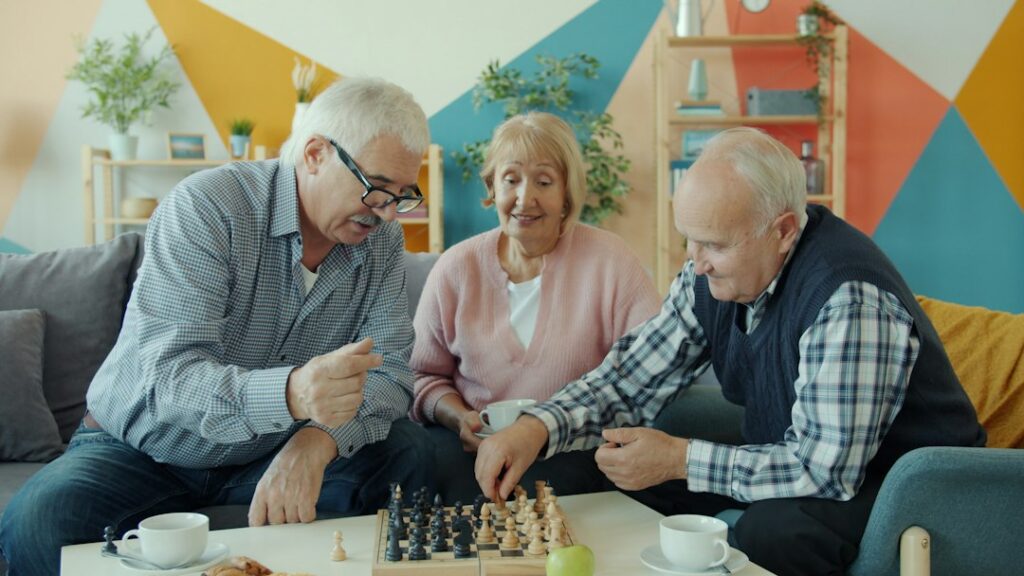
Afternoons are often less structured. Residents may visit with family, sit outdoors when weather permits, take a nap, attend an activity, or spend time in their apartment. Evenings commonly include dinner, conversation, television, games, or quiet time.
The schedule is generally designed to provide options rather than fill every minute. A resident who prefers privacy may participate selectively, while someone seeking more companionship may spend much of the day in shared spaces.
How much independence do residents keep?
Residents typically retain control over many personal choices, including what to wear, how to spend free time, which activities to attend, and when to rest. Assisted living is not the same as having every decision made for someone.
Support may be available for tasks such as:
- Bathing and grooming
- Dressing
- Medication reminders or administration
- Walking and transfers
- Toileting
- Meal access
- Housekeeping and laundry
The amount of assistance can differ from person to person. One resident may need only medication support and occasional help with bathing. Another may need regular assistance with mobility and personal care.
A useful question during an interview is, “What can you still decide for yourself?” The answer often reveals more about daily independence than a general statement about care. Residents may describe choosing their meals, arranging their room, deciding whether to join activities, or maintaining personal hobbies.
Do residents have privacy?
Privacy is a central part of daily comfort. Residents generally have a private or shared living space where they can rest, keep personal belongings, receive visitors, and follow familiar routines.
Even when assistance is needed, respectful care should include knocking before entering, explaining what will happen, protecting personal information, and allowing the resident as much time and choice as practical. Residents may also have private conversations with family members, care staff, or medical providers.
Privacy can feel different in a setting with shared dining rooms, hallways, and activity areas. A resident may enjoy the convenience of nearby support while still needing quiet periods during the day. Before moving, it helps to ask how personal space is handled, whether doors can be locked, and how staff respond when a resident requests uninterrupted time.
How do meals fit into the routine?
Meals often serve two purposes: meeting nutritional needs and creating opportunities for social connection. Residents may eat in a dining room, in their apartment, or in another designated area depending on preferences and care needs.
An interview may reveal details that are easy to overlook, such as how long meals take, whether residents choose where to sit, and how dietary concerns are communicated. Appetite, food texture, allergies, diabetes management, and cultural or religious preferences can all affect the dining experience.
Residents may also appreciate having familiar snacks in their rooms. In King of Prussia, seasonal weather can affect how often people leave the building for meals or errands, so dependable indoor dining arrangements may be especially useful during periods of summer heat, winter cold, or icy conditions.
Is there enough to do?
Most assisted living communities offer organized activities, but residents often value informal moments just as much. A conversation over coffee, a card game, helping with a small task, or sitting near a window can be as meaningful as a scheduled program.
A resident may describe enjoying:
- Exercise or balance classes
- Arts, crafts, or gardening
- Movies, music, or performances
- Games and discussion groups
- Educational programs
- Outdoor walks or supervised outings
- Visits with relatives and friends
Participation should not be treated as a measure of adjustment. Some people are highly social, while others prefer one-on-one visits or quiet hobbies. A good daily routine leaves room for both.
Families may ask residents not only which activities are offered, but which ones they actually attend. There can be a meaningful difference between a full activity calendar and programs that fit residents’ interests, abilities, and energy levels.
How do residents make friends?
Friendships often develop gradually through repeated contact at meals, activities, exercise sessions, or shared living areas. Residents may find it easier to connect with people who have similar interests, backgrounds, humor, or daily schedules.

The transition can still feel lonely at first. A resident may need time to learn names, understand routines, and find comfortable social settings. Family members can support this process by asking open-ended questions rather than assuming that a busy calendar means someone feels connected.
Questions such as “Who did you enjoy talking with today?” or “What part of the day felt easiest?” may produce more useful answers than “Did you have fun?”
What do residents say is harder than expected?
Many residents say the emotional adjustment takes longer than the practical adjustment. Learning where to go and when meals are served may be straightforward. Accepting help with personal tasks, adapting to a smaller living space, or missing a former home routine can take more time.
Other common challenges include:
- Noise or activity in shared areas
- Different sleep and meal schedules
- Forgetting the layout of a new building
- Feeling embarrassed about needing assistance
- Missing nearby neighbors or familiar belongings
- Managing visits during busy family schedules
These concerns do not necessarily mean assisted living is unsuitable. They indicate areas where communication and patience matter. Small personal items, familiar music, photographs, preferred clothing, and established routines can help make a new space feel more recognizable.
What should families ask an assisted living resident?
A resident’s perspective is most useful when questions focus on concrete experiences rather than general satisfaction. Consider asking:
- What part of the day do you enjoy most?
- When do you usually have quiet time?
- How easy is it to ask for help?
- Do staff listen when you have a concern?
- What happens if you skip an activity or meal?
- Are there times when you feel rushed?
- How do you spend weekends?
- What changed after your first month?
- What do you wish you had brought from home?
- What should a new resident know before moving in?
It is also helpful to ask the same question at different times. A resident’s experience may differ on weekdays, weekends, during family visits, or when staffing and activity schedules change.
Daily life in assisted living is shaped less by a single feature than by the fit between the resident and the setting. The most revealing interview answers often concern ordinary details: whether mornings feel rushed, whether help is offered respectfully, whether meals are enjoyable, whether privacy is protected, and whether the resident has meaningful choices throughout the day.
