

What does staff-to-resident ratio mean?
In King of Prussia, PA, the staff-to-resident ratio describes how many residents are served by the staff members working during a particular shift. For example, one direct-care worker serving 10 residents represents a 1-to-10 ratio during that period.
The number can help families begin a conversation, but it does not tell the whole story. A residence may have different staffing levels during mornings, evenings, overnight hours, weekends, and holidays. The residents’ care needs, building layout, staff responsibilities, and availability of nurses also affect how much attention is realistically available.
A useful question is not simply, “What is the ratio?” It is also:
- Who is included in the number?
- Which staff members are providing hands-on care?
- Is the ratio different by shift?
- How are absences and emergencies covered?
- Does staffing match the residents’ current needs?
Does Pennsylvania require a specific assisted living ratio?
Pennsylvania’s assisted living regulations do not establish one simple ratio such as one staff member for every five or eight residents. Instead, 55 Pa. Code Chapter 2800 sets minimum staffing requirements based on resident needs and required service hours.
At least one direct-care staff person age 21 or older must be present whenever one or more residents are in the residence. Direct-care staff must also be available to provide at least one hour of assisted living services per day for each mobile resident and at least two hours per day for each resident with mobility needs. At least 75% of those service hours must be available during waking hours. ([pacodeandbulletin.gov](https://www.pacodeandbulletin.gov/secure/pacode/data/055/chapter2800/chap2800toc.html?utm_source=openai))
These are minimum requirements, not a recommended maximum workload. Pennsylvania regulations also state that staffing must meet each resident’s assessment and support plan. Additional staffing may be necessary because of residents’ care needs, the physical design of the residence, or the way services are organized. ([pacodeandbulletin.gov](https://www.pacodeandbulletin.gov/secure/pacode/data/055/chapter2800/chap2800toc.html?utm_source=openai))
Why can a ratio be misleading?
A published ratio may count employees who are present but not available for direct care. An administrator, cook, housekeeper, maintenance worker, medication aide, nurse, or activity staff member may all be working in the building, but they may not be interchangeable during a bathing schedule, transfer, medication pass, or urgent situation.
For a clearer picture, ask about the direct-care ratio rather than the total number of employees on site. Direct-care staff are the people assigned to help with tasks such as:
- Bathing, dressing, grooming, and toileting
- Walking, transfers, and mobility assistance
- Meals and hydration
- Medication reminders or related support, as permitted
- Responding to calls for help
- Personal safety and supervision
It is also useful to ask whether the stated ratio is a scheduled number or the typical number actually working. A residence may plan for four staff members but operate with three if someone calls off and coverage is not immediately available.
Which shifts usually require closer attention?
Morning and evening periods often involve more simultaneous care tasks. Residents may need help getting out of bed, dressing, using the bathroom, taking medications, eating breakfast, or preparing for sleep. A ratio that seems adequate at midday may feel very different during these concentrated periods.
Overnight staffing deserves separate discussion. Pennsylvania requires direct-care staff on duty in an assisted living residence to remain awake at all times. ([pacodeandbulletin.gov](https://www.pacodeandbulletin.gov/secure/pacode/data/055/chapter2800/chap2800toc.html?utm_source=openai))
Families should ask:
- How many direct-care staff are scheduled overnight?
- Are staff assigned to a specific wing, floor, or building?
- Can one worker leave the area to assist a resident elsewhere?
- What happens if two residents need help at the same time?
- Is a nurse in the building, on call, or reached through another arrangement?
These questions are particularly relevant for residents who wake frequently, are at risk of falls, need overnight toileting assistance, or have cognitive impairment that requires supervision.
How do resident needs change the practical ratio?
Two residences with the same number of residents and staff may provide very different levels of support. A group of mostly independent residents may need limited assistance, while a group with many residents who use wheelchairs, need two-person transfers, or require frequent redirection may require more staff time.
Look for evidence that staffing is adjusted as needs change. Pennsylvania requires services to be based on the resident’s assessment and support plan. The regulations also require additional staff hours or contractual support when needed for food service, laundry, housekeeping, maintenance, and transportation. ([pacodeandbulletin.gov](https://www.pacodeandbulletin.gov/secure/pacode/data/055/chapter2800/chap2800toc.html?utm_source=openai))
A practical example: one staff member may assist a resident with dressing while another prepares meals or responds to a call. If the same workers are responsible for all those duties, a nominal ratio may not reflect how much time is available for personal care.
What should families ask during a visit?
A direct conversation with staff can reveal more than a brochure or general staffing statement. Consider asking:
- What is the usual direct-care staffing level on each shift?
- How many residents does each staff member typically support?
- Are nurses employed on site, under contract, or available by phone?
- How are sick calls, vacations, and open positions covered?
- Are temporary or agency workers used?
- How long do residents typically wait for assistance?
- How does staffing change when a resident’s mobility or memory needs increase?
- Who helps with meals, laundry, housekeeping, and transportation?
- Are staff assigned to particular residents or areas?
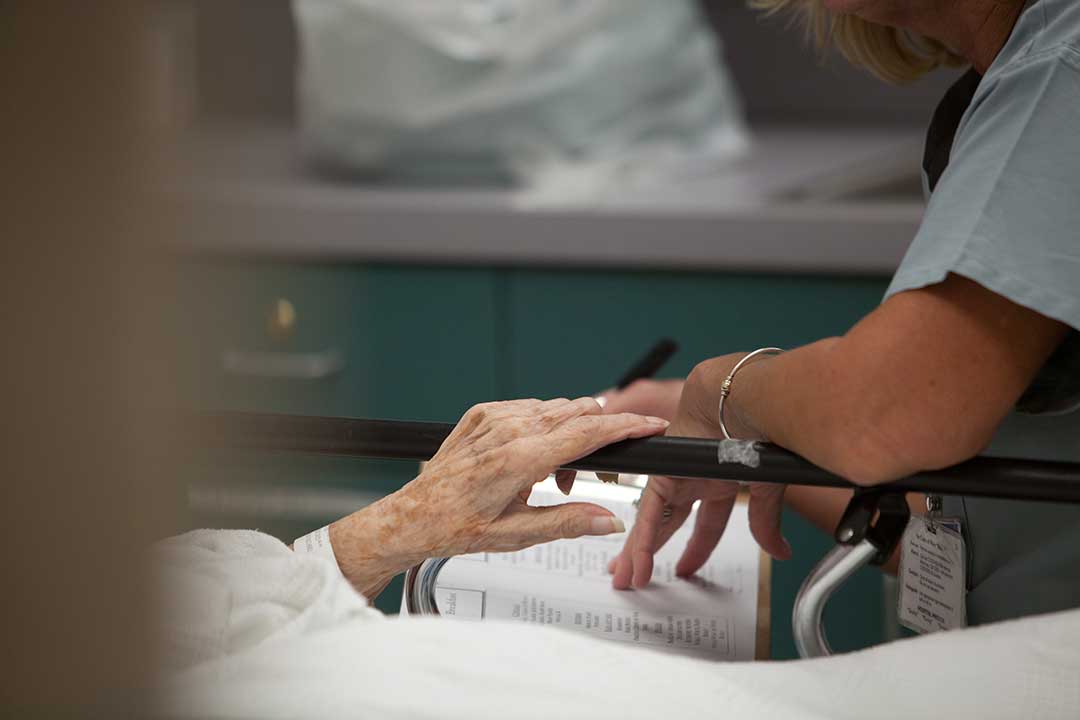
Ask for the answer in practical terms. “Six staff members are in the building” is less informative than “Four direct-care staff members are assigned to 48 residents during the evening shift.”
What signs may suggest staffing is stretched?
A single delayed response does not prove inadequate staffing. However, repeated patterns deserve attention. Possible warning signs include unanswered call systems, residents waiting unusually long for toileting or transfers, rushed meals, missed activities, frequent visible staff turnover, or employees regularly performing several unrelated duties at once.
During a visit, observe whether staff know residents by name, respond calmly, document concerns, and communicate clearly with one another. Notice whether common areas appear supervised and whether residents who need assistance are left waiting.
Seasonal conditions can also affect operations in King of Prussia. Winter weather, icy walkways, transportation delays, and respiratory illness may increase staff demands or make it harder for scheduled employees to arrive. Ask how the residence handles weather-related absences and emergency coverage.
What is the difference between assisted living and a nursing facility?
Assisted living residences are designed for people who need help with daily activities and supervision but may not require the continuous medical care provided in a nursing facility. Pennsylvania’s Department of Human Services describes personal care homes and assisted living residences as licensed settings with requirements covering staffing, training, resident services, safety, nutrition, and care planning. ([pa.gov](https://www.pa.gov/agencies/dhs/resources/aging-physical-disabilities/personal-care-homes/personal-care-home-faq?utm_source=openai))
The staffing rules therefore should not be assumed to be the same as nursing-facility staffing rules. If a resident develops complex medical needs, frequent skilled nursing needs, or extensive physical assistance requirements, the family should ask whether the current setting can safely and legally provide the necessary care.
How should staffing information be compared?
The most useful comparison combines the ratio with the following information:
- Direct-care staff per resident, by shift
- Number of residents needing extensive assistance
- Availability of licensed nurses
- Staff turnover and vacancy coverage
- Response times for help
- Use of agency or temporary staff
- Training for dementia care, transfers, and emergencies
- How the residence adjusts staffing after reassessments
A lower numerical ratio is not automatically better if staff are inexperienced, spread across multiple buildings, or assigned many non-care duties. A larger residence may have more specialized staff and backup, while a smaller residence may offer closer familiarity but have fewer people available when one employee is absent.
The strongest assessment comes from comparing the stated staffing plan with what residents and family members observe during different shifts. In assisted living, the meaningful question is whether enough trained people are consistently available to provide the care promised in each resident’s assessment and support plan.
